Jensen Huang Tells Europe to 'Leapfrog' at Davos, AI Nuclear Energy Push, Grok Controversy
NVIDIA's Jensen Huang advises Europe to leapfrog the software era at Davos. Nature highlights AI and nuclear energy as 2026's agenda-setting technologies. Grok faces backlash over non-consensual deepfakes.
1. Jensen Huang Tells Europe to 'Leapfrog' the Software Era
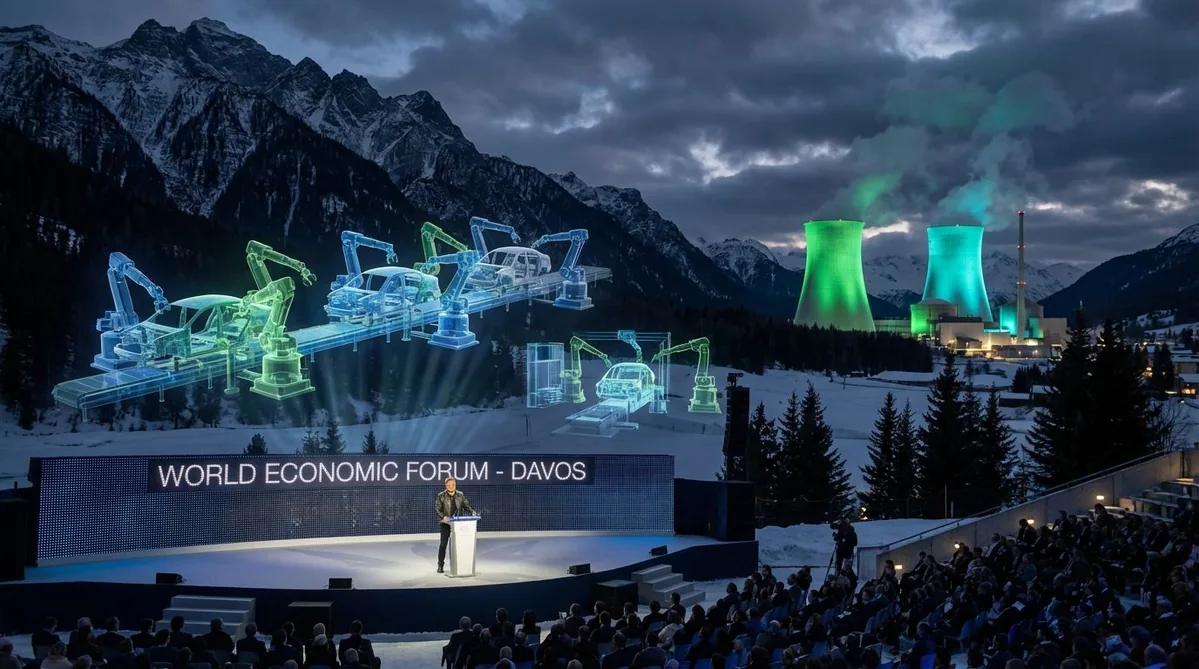
Speaking at the World Economic Forum in Davos, NVIDIA CEO Jensen Huang advised Europe to "get in early now" on AI infrastructure, urging the continent to fuse its manufacturing prowess with AI capabilities to "leapfrog" the software era that it largely missed. The message was directed at European policymakers concerned about falling behind in AI.
Source: Euronews
Huang's "leapfrog" advice applies to enterprises too, not just nations. Companies that missed the SaaS transformation have a chance to skip ahead by going directly to AI-native operations. For European manufacturers and industrial companies, combining their domain expertise with AI could create competitive advantages that US-centric software companies lack.
2. Nature: AI and Nuclear Energy Are 2026's Agenda-Setting Technologies
Nature published its annual technology outlook naming AI and nuclear energy as the two technologies most likely to set the global agenda in 2026. The pairing reflects the growing recognition that AI's energy demands are driving a renaissance in nuclear power development.
Source: Nature
The AI-nuclear nexus is becoming one of the most important technology partnerships of the decade. Microsoft, Google, and Amazon have all signed nuclear power agreements for their AI data centers. For enterprises concerned about the sustainability of AI operations, nuclear-powered cloud regions could offer a path to AI scale without carbon guilt.
3. Grok Faces EU Scrutiny Over Non-Consensual Deepfake Images
The European Commission's AI Office may have formal regulatory basis to challenge X's Grok AI after its generation of non-consensual intimate images was specifically identified as a systemic risk. The controversy highlights the governance gap in generative AI systems that can produce harmful content.
Source: Ctrl+AI+Reg
The Grok deepfake controversy is a regulatory inflection point. When AI systems generate non-consensual intimate content, the regulatory response will be swift and severe — not just for Grok but for all generative AI providers. Enterprises deploying image or video generation AI need robust content safety systems and clear terms of service to avoid regulatory and reputational risk.
4. AI Enters Everyday Publishing with WordPress Integration
WordPress announced AI Experiments v0.2.0, bringing AI-powered excerpt generation and a new Abilities Explorer to the world's most popular publishing platform. The release emphasizes "reviewable, transparent" AI assistance — a template for responsible AI integration in content workflows.
Source: WordPress
WordPress's AI integration means that AI content assistance is now available to the platform that powers 40%+ of the web. For digital marketing teams, this democratizes AI content creation and puts pressure on specialized AI writing tools. The emphasis on transparency — letting users review and approve AI suggestions — is a model for responsible AI deployment.
🔍 Why It Matters for Business
Davos continues to frame AI as both opportunity and responsibility. Huang's leapfrog vision, the AI-nuclear energy connection, Grok's deepfake controversy, and WordPress's responsible AI integration all show the technology's breadth of impact.
Enterprise leaders need both ambition and governance: pursue AI's competitive advantages aggressively while building safeguards against its risks.
Need help navigating AI for your business?
Our team turns these developments into actionable strategy — from architecture to deployment.
Contact SEN-X →