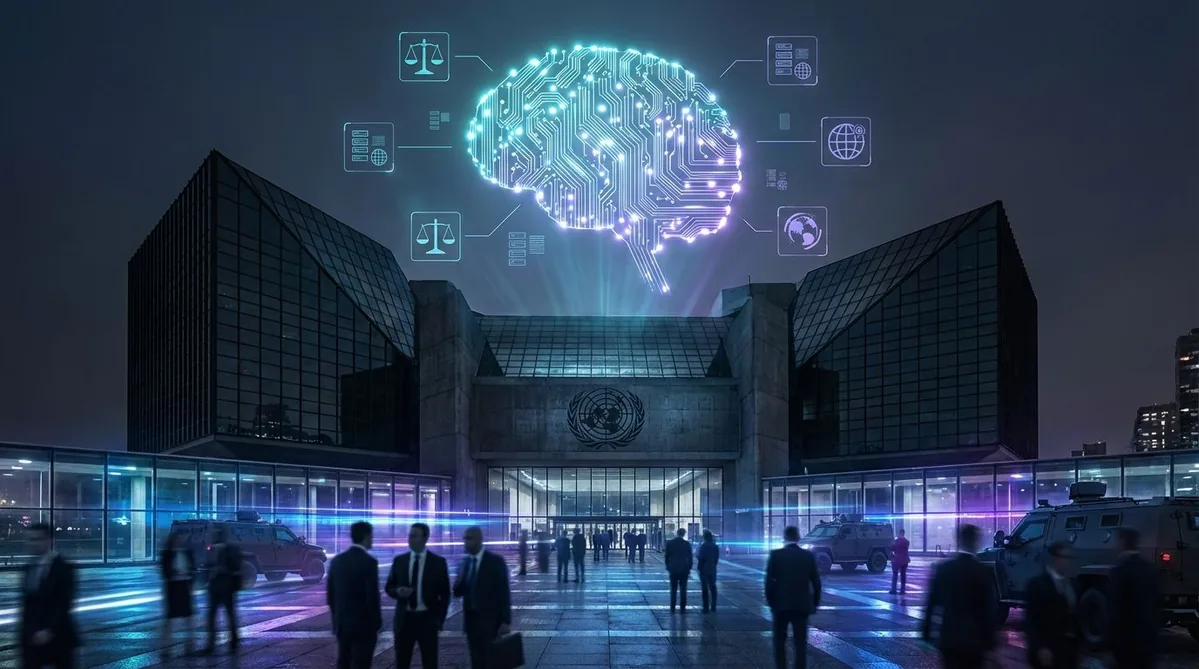
UN Appoints AI Science Panel, Germany Advances EU AI Act, Insiders Sound Alarm
The UN General Assembly creates a landmark AI science panel. Germany procedurally approves the EU AI Act. AI insiders publish viral warnings comparing February 2026 to February 2020.
1. UN General Assembly Appoints 40-Member AI Science Panel
The UN General Assembly appointed 40 members to an independent international scientific panel on artificial intelligence, with three-year terms beginning February 12, 2026. UN Secretary-General António Guterres called the appointment "a foundational step toward global scientific understanding of AI."
The panel will provide independent scientific assessments of AI capabilities, risks, and governance needs — similar to the IPCC's role for climate science. It represents the first formal attempt at creating a global scientific consensus mechanism for AI.
Source: Xinhua
A UN-level AI science panel means that global regulatory harmonization is coming — not today, but within the panel's three-year mandate. For multinational enterprises, this is a signal to start building compliance infrastructure that can adapt to emerging global standards rather than patchwork national regulations.
2. Germany Procedurally Approves EU AI Act Implementation
Germany's procedural approval of the EU AI Act marked a key step toward binding enterprise compliance across Europe in 2026-2027. The move accelerates the timeline for mandatory AI risk assessments, transparency requirements, and prohibited AI use cases across the EU's largest economy.
Source: AI Improve
Germany's approval removes the last major procedural hurdle for EU AI Act enforcement. Any enterprise selling AI-powered products or services in Europe needs to be compliance-ready by late 2026. The Act's risk-based approach means high-risk AI applications in healthcare, hiring, and law enforcement face the strictest requirements. Start your AI audit now.
3. AI Insiders Go Viral With "Something Big Is Happening" Warning
A lengthy post by OtherSideAI founder Matt Shumer titled "Something Big Is Happening" went viral, comparing the current AI moment — February 2026 — to February 2020, when early pandemic warnings were being dismissed. The post added to a growing wave of AI industry insiders speaking publicly about existential risks.
The comparison to the early days of COVID drew both alarm and pushback, with critics calling it alarmist while supporters pointed to accelerating AI capabilities as evidence that the window for governance is closing.
Source: SFist
Whether or not you agree with the pandemic comparison, the signal is clear: people building AI are increasingly concerned about what they're building. For business leaders, the practical takeaway isn't existential dread — it's operational preparedness. Companies that build robust AI governance frameworks, incident response plans, and model evaluation pipelines now will be better positioned regardless of how the safety debate resolves.
4. Baker McKenzie to Cut Up to 1,000 Jobs Amid AI Integration
Global law firm Baker McKenzie announced plans to cut up to 1,000 positions as it accelerates AI integration across its operations. The move reflects a broader trend of professional services firms using AI to automate tasks traditionally performed by junior staff.
Over 30,700 tech jobs were cut globally in the first two months of 2026, with approximately 80% linked to AI-driven restructuring.
Source: OpenTools
Baker McKenzie's cuts are a canary in the coal mine for professional services. Legal, accounting, and consulting firms that don't adapt their workforce models to AI will face margin pressure from firms that do. For enterprise buyers of professional services, this creates an opportunity to demand AI-augmented deliverables at lower costs.
🔍 Why It Matters for Business
The threads connecting today's stories are governance, compliance, and workforce transformation. The UN panel and EU AI Act create the regulatory framework. Insider warnings add urgency. And Baker McKenzie's layoffs show AI's impact on professional services is no longer theoretical.
Enterprises need three things: a compliance roadmap, a workforce transition plan, and an AI governance framework. Those who have all three will navigate this transition; those who don't will be disrupted by it.
Need help navigating AI for your business?
Our team turns these developments into actionable strategy — from architecture to deployment.
Contact SEN-X →