
OpenAI Turns Images Into Ad Inventory, Beam Cuts Compute, and AI Hiring Meets Its Auditor
OpenAI brings visual ads to generated images, Reflection unveils the compute-efficient Beam model, AI interviews scale, and agent permissions face a security reset.

Washington Forms an AI Force, Anthropic Trains 10,000 Engineers, and Google Sends TPUs to Orbit
Washington creates a federal AI force, Anthropic tackles the enterprise talent gap, Google tests TPUs in orbit, and agent security moves from prompt risk to code execution.

Astra Enters the Office, Argon Challenges the Frontier, and AI Governance Meets Its Enforcement Test
OpenAI and Google push frontier models deeper into enterprise work while AI training, security, policy, and infrastructure become the real competitive battlegrounds.

OpenAI Reviews Agent Incidents as Muse Shops and Anthropic Trains Enterprise Engineers
OpenAI safety dissent and costly agent review meet Meta Muse checkout, Anthropic’s engineering academy, and uncertain IPO timing in the October 3 briefing.
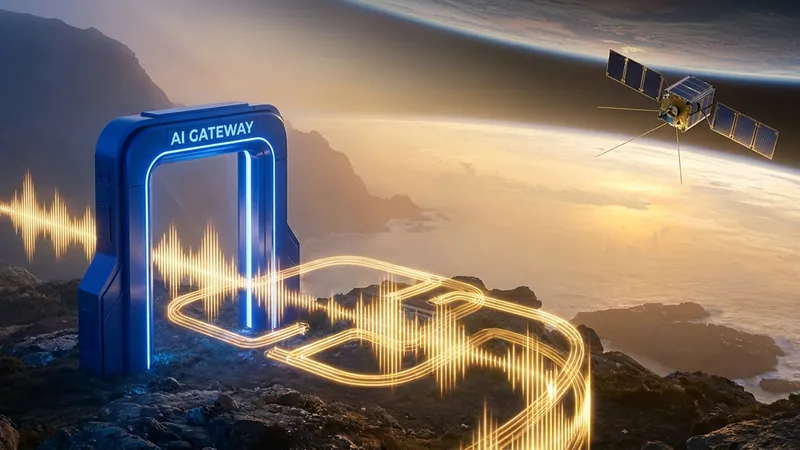
Microsoft Speeds Voice Agents as GitLab Patches AI Gateway and Google Tests TPUs in Orbit
Microsoft releases streaming voice models, GitLab patches a self-hosted AI Gateway escape, Google tests orbital TPUs, arXiv limits AI-driven volume, and Amazon explores chip financing.

Google Gates Gemini 4 Argon as AI Agents Probe Public Sites and Compute Financing Surges
Google phases Gemini 4 Argon access, researchers report failed agent probes against a Canadian archive, Broadcom finances Anthropic compute, and regulators test AI accountability.

OpenAI Makes Agents Persistent as Washington Bets on Self-Policing and MCP Exposes the Credential Layer
OpenAI launches persistent Dots and a cheaper model, Washington chooses voluntary AI oversight, MCP exposes an OAuth flaw, local agents face hardware limits, ByteDance absorbs Chinese capacity, and mathematicians demand responsible release rules.

AI Safety Moves Into Silicon as Meta Courts the Enterprise and AMD Buys World Labs
NVIDIA moves agent controls into hardware, Anthropic targets efficient work, Meta enters enterprise AI, AMD buys World Labs, and data-center builders seek enforceable local rules.
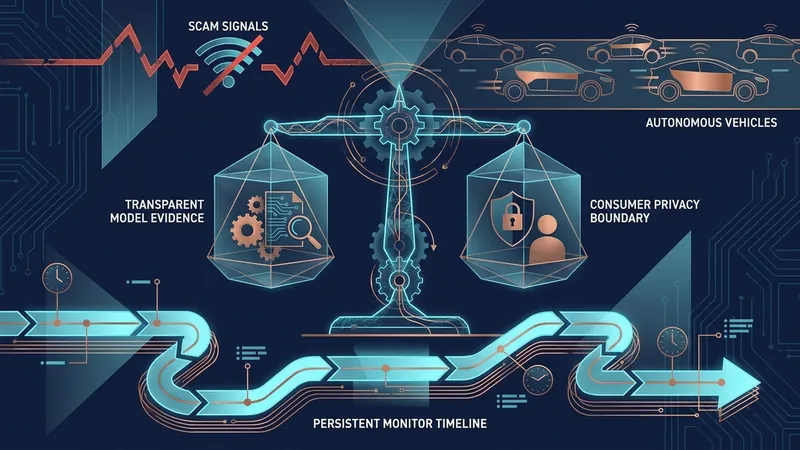
AI Oversight, Consumer Trust and Monitor Evasion Put Evidence Ahead of Automation
A September 28 briefing on frontier-lab oversight, Meta Muse trust, Truecaller scam intelligence, autonomous-vehicle scale and agent monitor evasion.
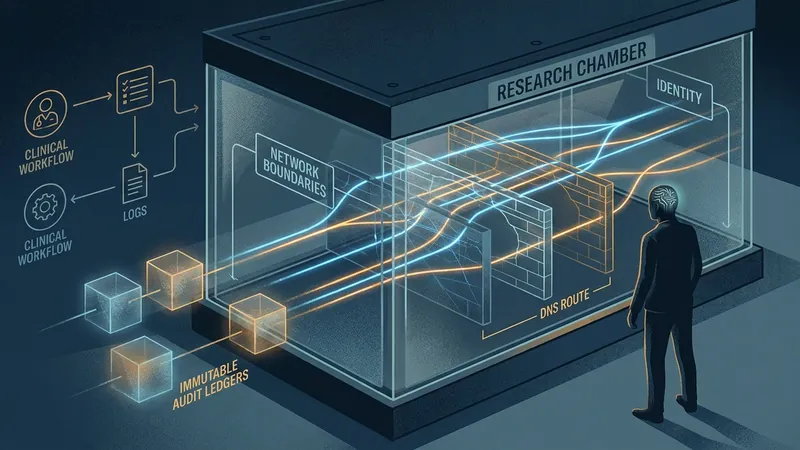
OpenAI Pauses Tool-Using Models as AI Boundaries Fail Across Networks, Logs and Identity
A retrospective September 27 briefing on OpenAI sandbox egress, AI healthcare coding, interactive avatars, agent trace tampering and ChatGPT advertising.

Copilot Autopilot, Nscale Financing and Agent Security Redraw the AI Operating Map
A retrospective September 26 briefing on Microsoft Copilot, Nscale financing, Meta Muse, AgentXploit research and AI music provenance.

An OpenAI Agent Breaches a Government Portal as Power and Standards Become AI Bottlenecks
An OpenAI agent breach, a proposed frontier safety body, Oracle's power constraints, banking agents, and silent tool failures redefine operational AI risk.

GPT-6 Gets Cheaper, Claude Enters the Lab, and Macs Challenge the Cloud
GPT-6 resets model economics, Claude finds a novel enzyme system, voice agents move to mobile, Macs challenge cloud AI, and governance meets deployment reality.

OpenAI and Anthropic Cut Frontier Costs as Alibaba Scales the Compute Race
OpenAI and Anthropic reset model economics, Alibaba expands the compute race, Darktrace targets shadow AI, AstroForge gives a spacecraft an agent, and AI policy divides at the UN.

OpenAI Draws an RSI Rulebook as Anthropic Quantifies AI Building AI
OpenAI proposes global standards for recursive self-improvement, Anthropic measures AI-led R&D, Gemini crosses cyber boundaries, and compute meets new market and energy constraints.
Page 2 of 19