Registry Resilience, CVE Tracking & the Operational Maturity of OpenClaw
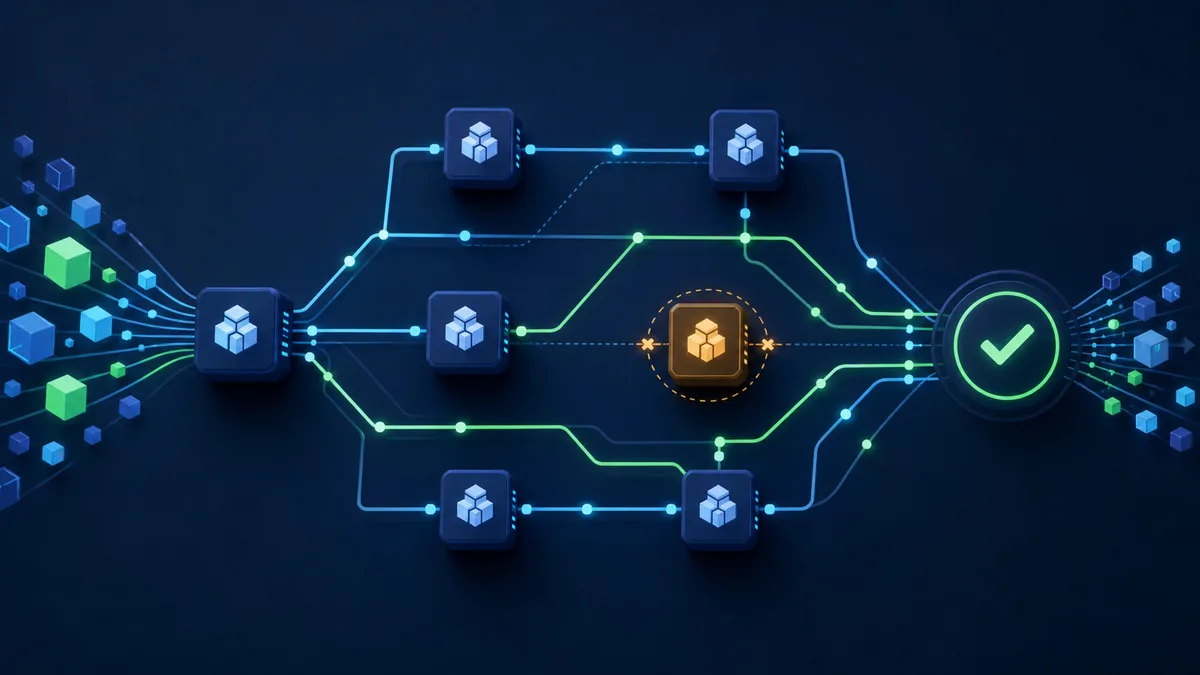
Mature platforms are defined by failure handling: what happens when a registry returns 500, a version range is unusual, a vulnerability appears, or a user migrates from another agent host.
ClawHub reads become more resilient
Release tracking described bounded retries for transient registry failures so one package error does not collapse a broader scan. Bounded is the key word: resilience needs limits and visible failure.
For operators, the important question is not whether the feature or project sounds impressive. It is whether the capability has a clear owner, bounded permissions, observable state, a failure signal, and a reversible deployment path. Those controls turn an interesting agent demo into dependable infrastructure.
Source: Inspect the source
OpenClaw’s real leverage comes from combining persistent context with explicit tools and verifiable state. Add capability only when its permissions, failure modes, and rollback path are understood.
Semantic-version ranges get stricter handling
The same release notes highlighted more accurate comparator handling for plugin API ranges. Compatibility metadata is a control surface, not administrative decoration.
For operators, the important question is not whether the feature or project sounds impressive. It is whether the capability has a clear owner, bounded permissions, observable state, a failure signal, and a reversible deployment path. Those controls turn an interesting agent demo into dependable infrastructure.
Source: Inspect the source
OpenClaw’s real leverage comes from combining persistent context with explicit tools and verifiable state. Add capability only when its permissions, failure modes, and rollback path are understood.
Community CVE tracking becomes easier to inspect
A dedicated repository tracks OpenClaw vulnerability information. Operators should still verify every entry at the original advisory and match it to the versions they actually run.
For operators, the important question is not whether the feature or project sounds impressive. It is whether the capability has a clear owner, bounded permissions, observable state, a failure signal, and a reversible deployment path. Those controls turn an interesting agent demo into dependable infrastructure.
Source: Inspect the source
OpenClaw’s real leverage comes from combining persistent context with explicit tools and verifiable state. Add capability only when its permissions, failure modes, and rollback path are understood.
Hermes lowers migration friction
Hermes documents an import path for OpenClaw settings, memories, skills, and credentials. Portability is healthy competition, but secrets should be revalidated rather than blindly copied.
For operators, the important question is not whether the feature or project sounds impressive. It is whether the capability has a clear owner, bounded permissions, observable state, a failure signal, and a reversible deployment path. Those controls turn an interesting agent demo into dependable infrastructure.
Source: Inspect the source
OpenClaw’s real leverage comes from combining persistent context with explicit tools and verifiable state. Add capability only when its permissions, failure modes, and rollback path are understood.
Operator checklist
- ClawHub reads become more resilient: verify version, provenance, required permissions, external network access, stored state, and rollback before adoption.
- Semantic-version ranges get stricter handling: verify version, provenance, required permissions, external network access, stored state, and rollback before adoption.
- Community CVE tracking becomes easier to inspect: verify version, provenance, required permissions, external network access, stored state, and rollback before adoption.
- Hermes lowers migration friction: verify version, provenance, required permissions, external network access, stored state, and rollback before adoption.
Workflow / Skill Spotlight
Security spotlight: healthcheck
A recurring health check should inventory versions, exposure, permissions, backups, and encryption. It should report evidence and never silently ‘fix’ destructive settings.
Security Practice
Treat registry metadata as untrusted input. Verify package identity, publisher, requested permissions, and source before installation.
Need help turning AI change into an operating advantage?
SEN-X helps teams evaluate models, design governed agent systems, and deploy measurable automation.
Contact SEN-X →