
OpenClaw’s Quiet Power Shift: Safer Boundaries, Flux Voice Notes, and Portable Agent Memory
OpenClaw's latest security fixes, Deepgram Flux voice notes, plugin migration rules, ClawHub controls, NemoClaw, and portable agent memory point toward governed operations.

OpenClaw 2026.9.4 Unifies Plugins, Prepares Cloud Workers, and Makes Rollbacks Honest
A major operational release brings plugin discovery, warm cloud execution, bounded rollback, interactive terminal questions, resilient history, and deployment-owned configuration.

OpenClaw 2026.6.35 Locks Down LTS While 2026.9.3 Rehearses Safer Updates
OpenClaw ships a security-focused LTS finale while 2026.9.3 adds rehearsed updates, agent-owned skills, live browser tabs, public session controls, and stricter Node requirements.

OpenClaw 2026.9.3 Rehearses Updates as Agent Supply-Chain Risk Accelerates
OpenClaw 2026.9.3 rehearses updates, moves skills into durable agent ownership, adds selective sharing, and lands as threat researchers warn about agent supply-chain attacks.

OpenClaw Collaboration Gets Faster—and Its Trust Boundary Gets Wider
OpenClaw 2026.9.2 improves recovery and multi-agent collaboration while wider session access, component inspection, and efficient news retrieval sharpen the security agenda.

GPT-6 Astra Raises the Bar for OpenClaw Portability and Security
GPT-6 Astra's rollout raises the stakes for OpenClaw operators as agent portability, protected credentials, and visual-production tools expand across the ecosystem.

OpenClaw 2026.9.2 Brings Faster Chat, GPT-6 Astra, and Default Swarm
The latest OpenClaw release pairs a more responsive control plane with durable replies, recoverable upgrades, GPT-6 Astra support, and default multi-agent orchestration.

OpenClaw 2026.9.1 Makes Upgrades Recoverable and Skills Personal
OpenClaw 2026.9.1 adds rollback-aware updates, resilient Gateway startup, personal skill libraries, durable approvals, diagrams, and safer configuration controls.

OpenClaw 2026.8.2 Turns Background Sessions, Private Diagnostics, and ClawHub into Governed Workflows
A closer look at OpenClaw's quieter operational gains: durable background work, truthful completion, bounded diagnostics, safer tool traffic, and inspectable packages.

OpenClaw 2026.8.2 Makes Recovery, Linux Desktop, and Browser Control Operational
The latest OpenClaw release concentrates on recoverable upgrades, dependable completion, Linux operations, browser relay continuity, and tighter shared-session boundaries.

OpenClaw 2.0: Shared Sessions, Private Credentials, and Governed Skill Memory
OpenClaw 2.0 makes sessions portable and collaborative, moves transcripts to SQLite, protects credential requests, and gives teams stronger skill governance.

OpenClaw 2.0 Draws a Hard Line Between Guided Setup and Trusted Execution
OpenClaw 2.0 clarifies its stable version, verifies model setup, migrates sessions to SQLite, documents trust boundaries, and expands ClawHub inspection controls.
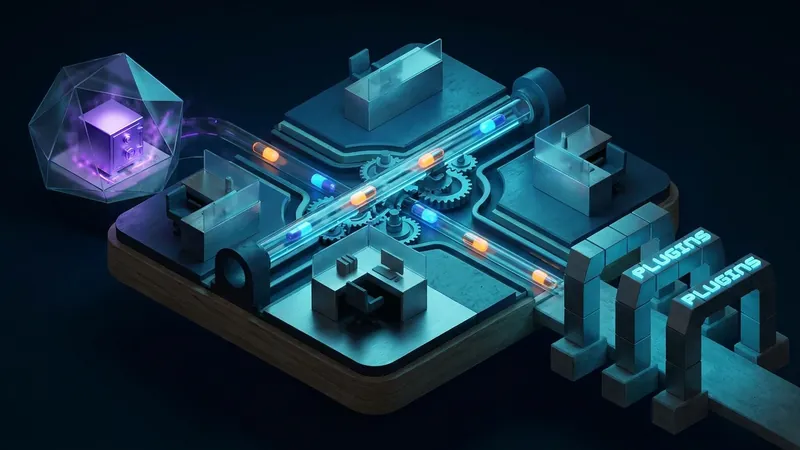
OpenClaw 2.0 Makes Sessions Portable, Credentials Private, and Plugins Explicit
OpenClaw 2.0 ships portable sessions, private credential requests, recurring approvals, explicit plugin provenance, stronger memory, and a rebuilt operator experience.

OpenClaw 2026.9.1 Beta 1 Brings Restart-Safe Agents and Leaner Context
Restart-safe runs, visible worker failure, safer config writes, context control, durable memory, and a local agent model define today's OpenClaw briefing.
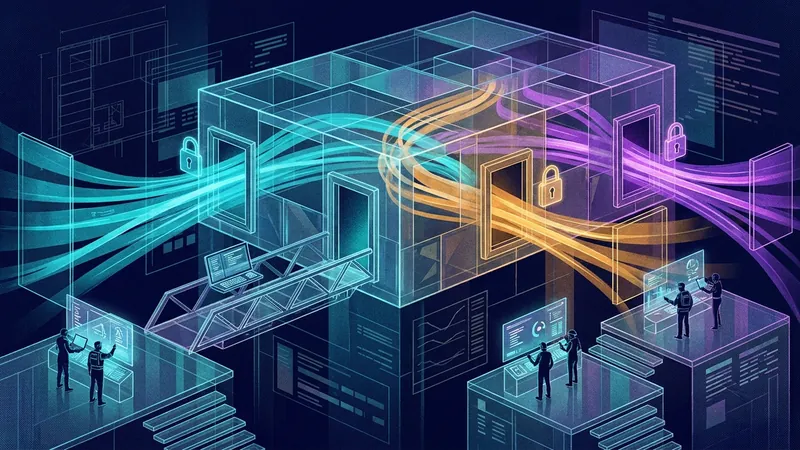
OpenClaw 2026.8.1 Beta 3: Secrets, Codex, and Trust at Scale
OpenClaw 2026.8.1 beta 3 binds secret egress, expands Codex operations, and confronts trust at scale across contributors and agent infrastructure.
Page 1 of 15