
OpenClaw Enters the Sandbox-and-Agent-Company Era
OpenClaw’s latest beta meets policy sandboxes, container-first assistants, package controls, and a new agent-company orchestration layer.
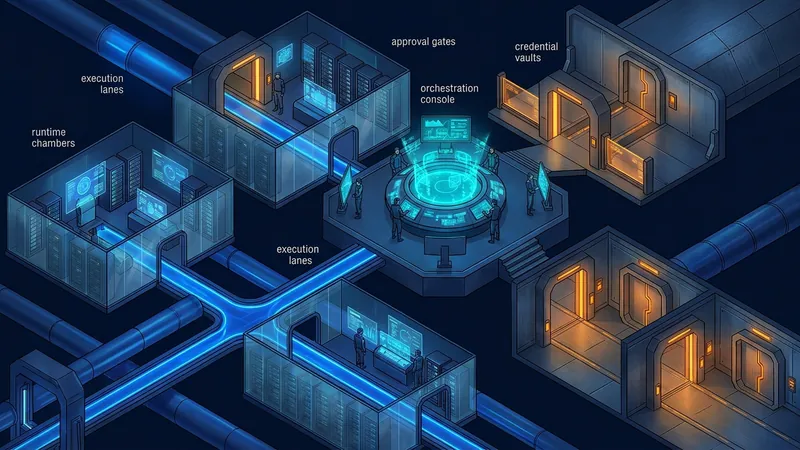
OpenClaw Codex Harness Clarifies the Agent Control Plane
OpenClaw’s official Codex harness defines runtime ownership, remote execution, secret boundaries, and a growing ecosystem of managed agent infrastructure.
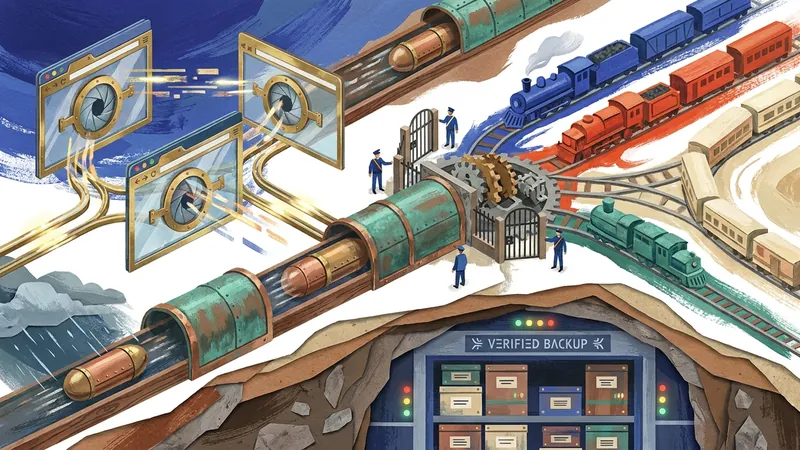
OpenClaw 2026.8.1 Beta 3 Connects Models, Browsers, and Durable Channels
OpenClaw 2026.8.1-beta.3 coordinates GPT-5.6 runtimes, paired-browser automation, durable channel ingress, verified backups, and a broader agent ecosystem.
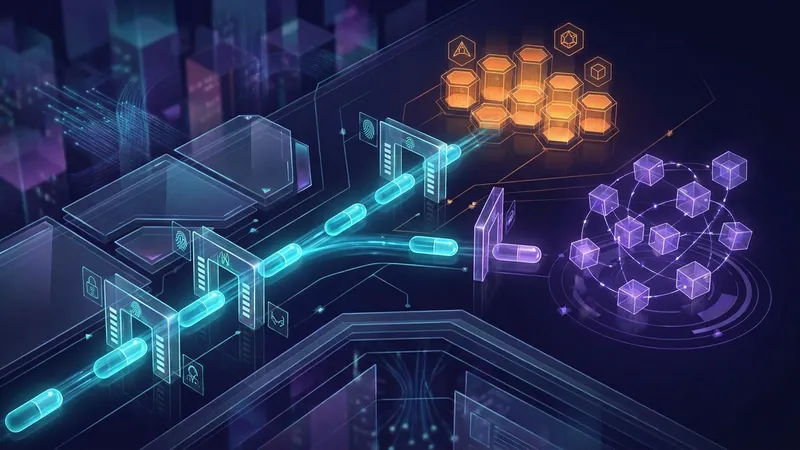
OpenClaw 2026.8.1 Beta Secures Secrets as Codex and ClawHub Broaden the Stack
Host-bound secrets lead a practical OpenClaw briefing on Codex runtime control, verified backups, safer package discovery, and multi-agent operations.
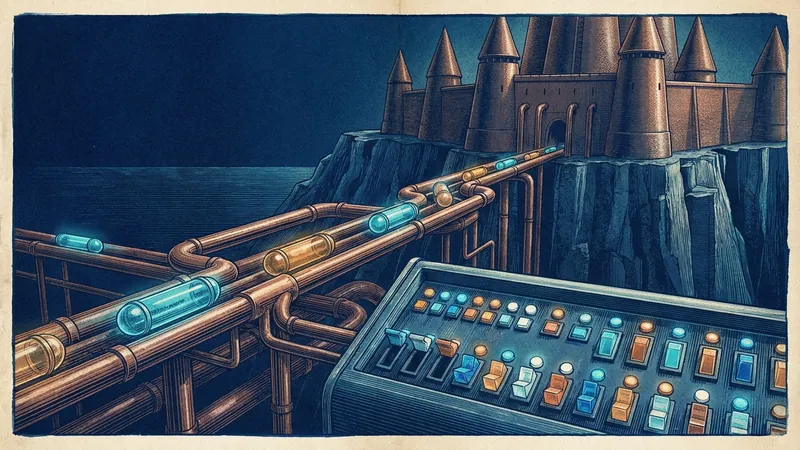
OpenClaw 2026.8.1 Beta Binds Secrets to Hosts as Windows Companion Expands
OpenClaw 2026.8.1 beta adds host-bound secret egress, verified SQLite snapshots, safer plugin provenance, atomic runtime switching, and broader device operations.
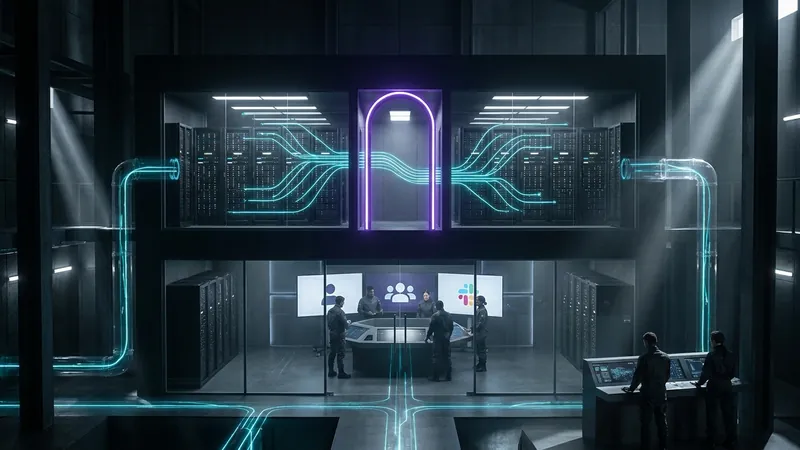
OpenClaw Codex Harness Draws Remote Boundaries as Agent Teams Enter Slack
OpenClaw clarifies remote Codex execution and attachment boundaries while beta fixes, NanoClaw Slack teams, Paperclip, and OpenHarness push agent operations forward.

OpenClaw Beta Expands GPT-5.6 and GLM Routing as Caveman Tightens Safety
OpenClaw broadens model routing across GPT-5.6 and GLM while Caveman v2.2.0 fixes installer races, unsafe temp handling, and destructive rewrite validation.

OpenClaw 2026.8.1 Beta Hardens Secrets, Backups, and Agent Operations
OpenClaw 2026.8.1-beta.2 binds secret egress to destination hosts, adds verified SQLite snapshots, scopes external coding sessions, and sharpens plugin provenance.

OpenClaw 2026.8.1 Beta Binds Secrets, Verifies Backups, and Broadens Agent Interoperability
A prerelease built around operational boundaries: destination-bound secrets, verified data recovery, explicit plugin trust, and a widening multi-agent ecosystem.

OpenClaw Fixes Gateway Stalls, TLS Pin Drift, and False-Green Automation
Fresh merged changes target the operational failures that make healthy-looking agent systems lie: stalled readiness, divergent TLS identity, reordered streams, and false success exits.

OpenClaw Windows Companion, ClawHub Packages, and Agent Orchestration Move Forward
A native Windows control surface and a broader package registry meet an ecosystem increasingly focused on migration, budgets, and accountable agent work.
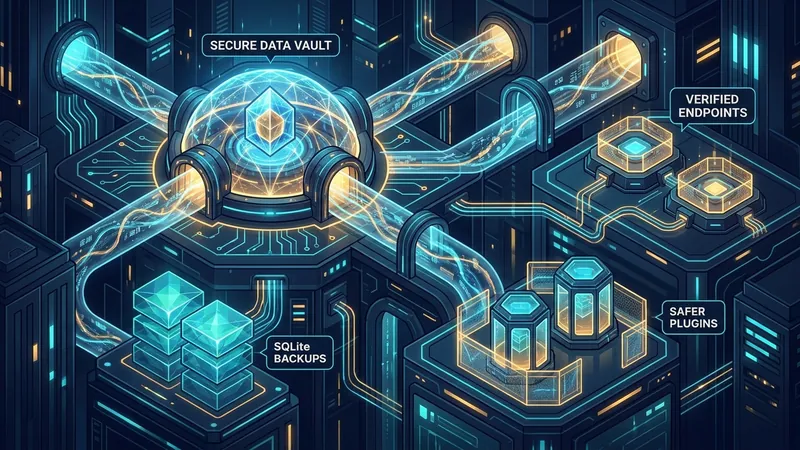
OpenClaw 2026.8.1 Beta 2 Adds Secret Host Binding, SQLite Backups, and Safer Plugins
The newest OpenClaw beta tightens secret egress, adds database snapshots, improves plugin provenance, and advances a broader local-agent operations ecosystem.

OpenClaw Security Work Goes Operational as Shared Agent Skills Mature
GitHub documents OpenClaw's security program, an extended-stable release hardens runtime boundaries, and shared skills plus MCP turn agent operations into reusable infrastructure.

OpenClaw Fixes Plugin Updates as NVIDIA Builds an Agent Execution Layer
OpenClaw repairs official plugin updates while ClawHub expands package controls, NVIDIA targets efficient agent execution, and container-first alternatives sharpen the security debate.

OpenClaw Hardens the Runtime as MiniMax Expands the Media Stack
OpenClaw's extended-stable hardening, runtime recovery, MiniMax media stack, isolated Amp review, safer learning workflows, and IronClaw's new prerelease define today's briefing.
Page 2 of 15