
OpenClaw Joins the Open Secure AI Alliance as NemoClaw Widens the Sandbox Stack
OpenClaw joins the Open Secure AI Alliance while NemoClaw, NOOA, Beam, and official Gateway guidance sharpen the case for inspectable agent infrastructure.
OpenClaw Beta 5 Hardens State Recovery and Makes Agent Work Rewindable
OpenClaw 2026.7.2-beta.5 adds crash-recoverable state, durable channel delivery, rewindable sessions, MCP Apps, broader approvals, and guided local inference.
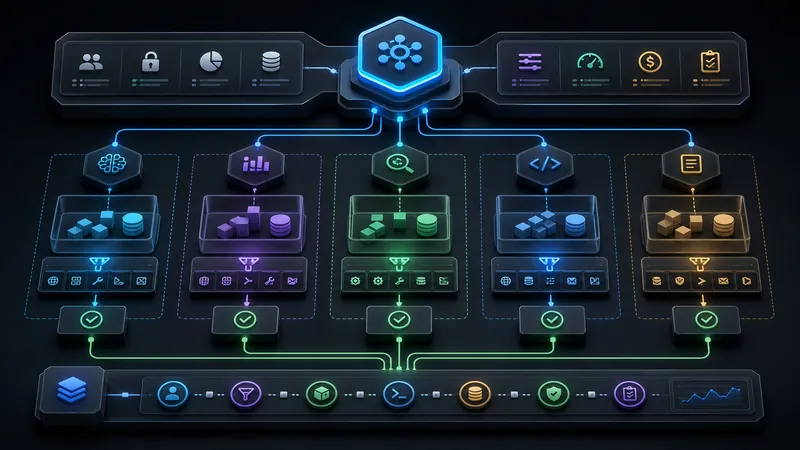
Governed Agent Fleets Arrive: ClawHub, NemoClaw & Role-Based Automation
ClawHub’s public registry, NVIDIA NemoClaw controls, CVE tracking, and role-based agent management push governance to the foreground.
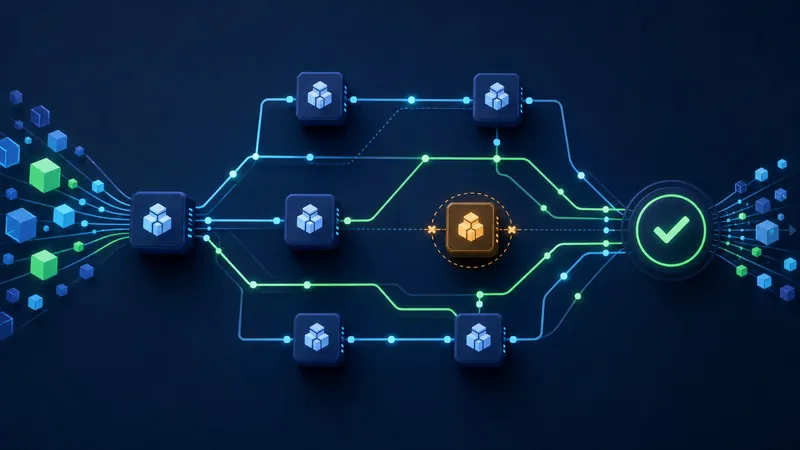
Registry Resilience, CVE Tracking & the Operational Maturity of OpenClaw
ClawHub retry behavior, semantic version handling, CVE tracking, and migration tools show the OpenClaw ecosystem hardening.

Remote Coding Sessions Turn OpenClaw Into a Distributed Engineering Workspace
The OpenClaw 2026.7.2 beta emphasizes remote coding, mobile nodes, packaging, and operational controls for distributed work.
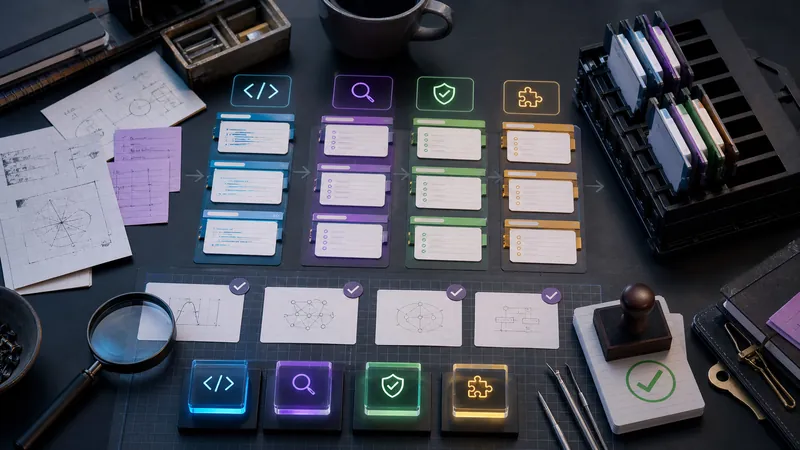
Agent Skills Become Infrastructure: Curation, Sandboxing & Reusable Workflows
OpenClaw’s shared agent-skills repository, sandbox work, ClawSec, and real-world agent brains elevate skill governance.
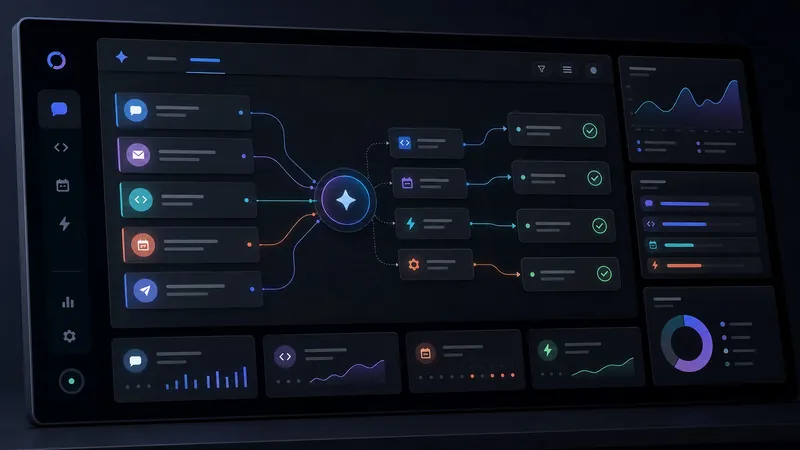
OpenClaw’s Multi-Channel Control Plane Comes Into Focus
Expanded channel documentation, ClawX, model routing, and file-based planning show OpenClaw evolving into a real control plane.
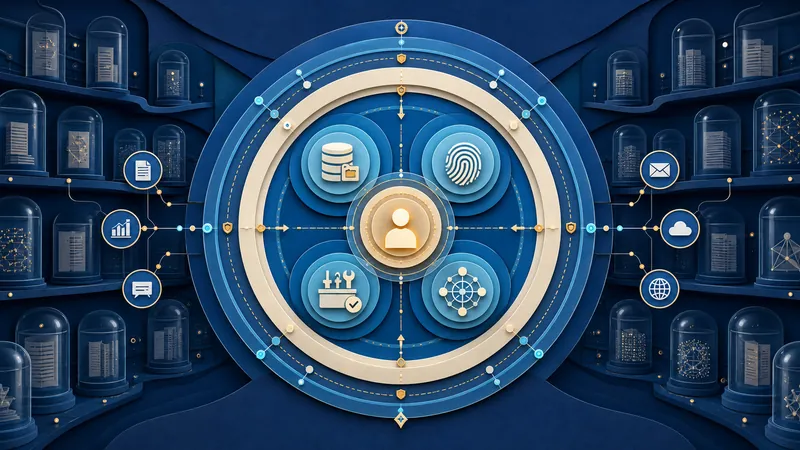
ClawSec, ClawX & Local Models Push OpenClaw Toward Safer Everyday Use
Security suites, desktop interfaces, local-model integration, and network automation expand OpenClaw’s practical operating surface.
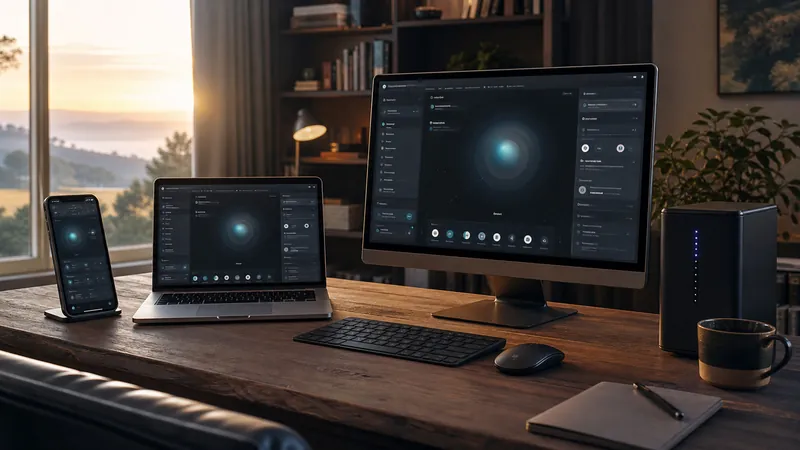
Persistent Personal Agents Move Mainstream as the OpenClaw Ecosystem Broadens
NanoClaw coverage, cross-agent plugin formats, harness comparisons, and persistent workflows broaden the personal-agent market.

OpenClaw’s Runtime Floor, Release Evidence & the Rise of Vertical Agent Systems
OpenClaw’s beta runtime requirements, release evidence ledger, Meta provider work, and NetClaw show the ecosystem maturing.
OpenClaw v2026.7.2 Beta 3 Expands Remote Coding, Safer Channels, and Adaptive Cron
OpenClaw v2026.7.2-beta.3 advances remote coding, mobile automation, channel safety, Gateway recovery, Linux packaging, and adaptive cron cadence while tokenjuice keeps output lean.
OpenClaw Digests v2026.7.2 Beta 2 as NVIDIA NemoClaw and Cancellation Fixes Shape Safer Agents
OpenClaw operators dig into v2026.7.2-beta.2 while NVIDIA NemoClaw sandboxes agents, AbortSignal cancellation bugs get fixed, Memory LanceDB stays VirusTotal-clean, and agent governance hardens.
OpenClaw v2026.7.2 Beta 2 Adds External Supervision, GPT-5.6 Defaults, and Safer Plugin Installs
OpenClaw v2026.7.2-beta.2 adds external Gateway supervision, GPT-5.6 defaults, plugin provenance warnings, stronger cron recovery, offline iOS chat, and refined cloud coding sessions.
OpenClaw v2026.7.2 Beta Moves Agents to Cloud Workers, Hardens Channels, and Expands Native Automation
OpenClaw v2026.7.2-beta.1 adds cloud workers, remote coding sessions, guided setup, mobile automation, safer channel handling, stronger recovery, and Linux packages. Plus a clean VirusTotal-verified skill and agent security guidance.
Day Two of v2026.7.1: ClawStat.us Says Skip, Crash-Loops Hit Memory Migrations, and SkillScan Becomes Mandatory Hygiene
Independent operator tracking hardens to a Skip verdict on OpenClaw v2026.7.1 after gateway crash-loops, fatal memory sidecar migrations, and plugin build regressions. Plus update-channel discipline, SkillScan on ClawHub with VirusTotal scanning, Foundation neutrality, and Microsoft’s Go agent framework.
Page 6 of 17